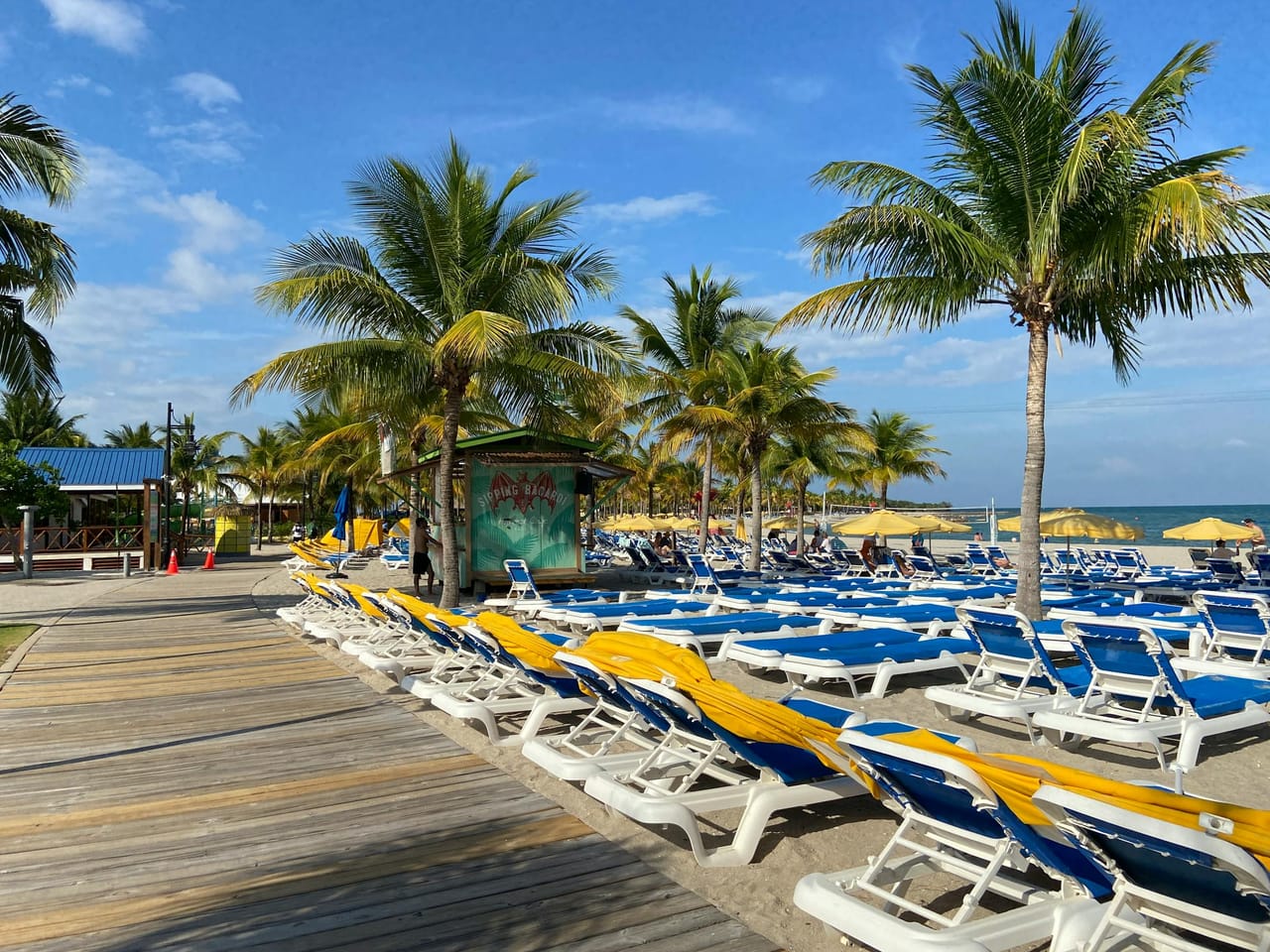
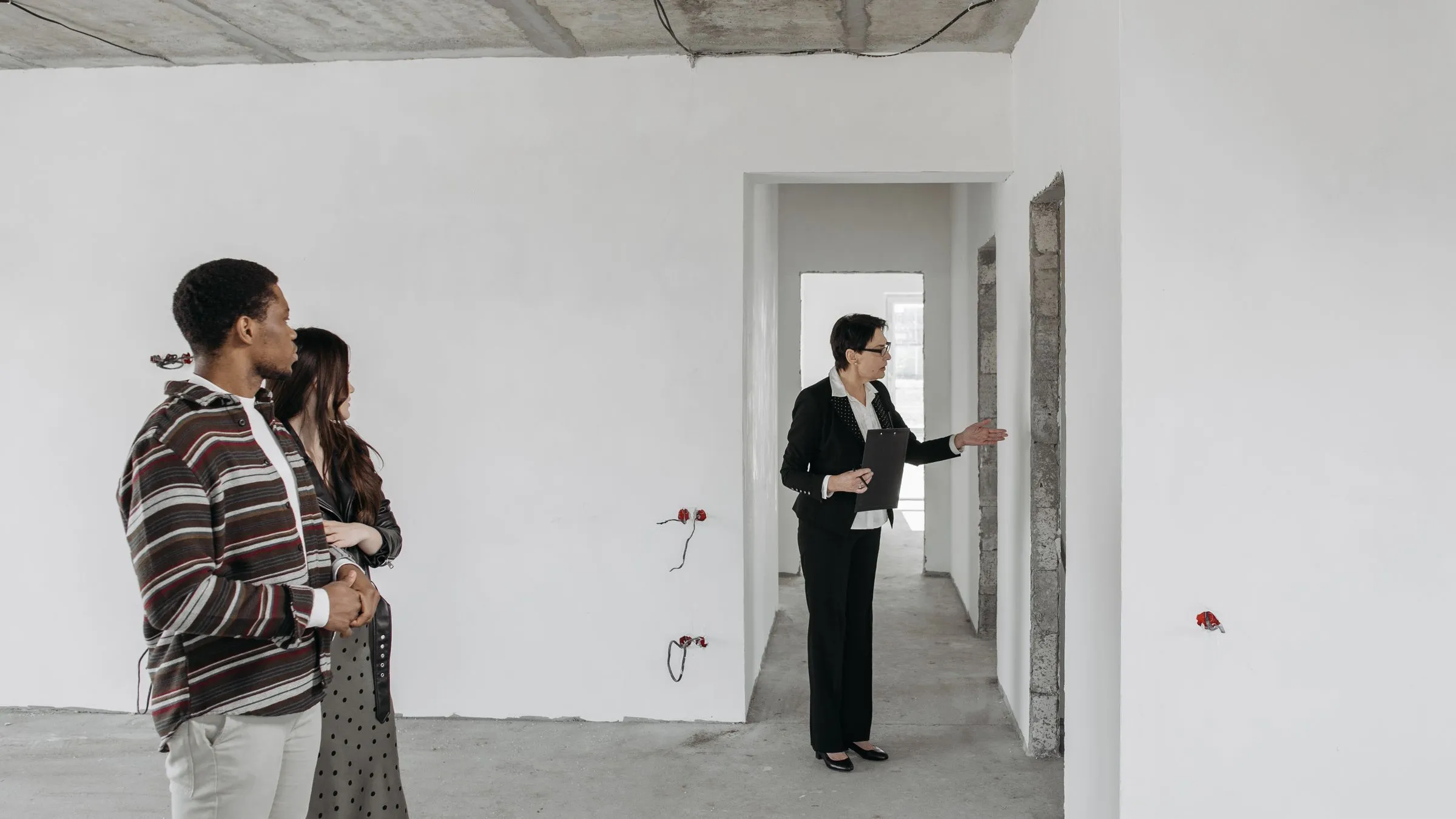
Sanctuary Belize shows why those protections matter. The resort development collected more than US$100 million from mostly American buyers before the US Federal Trade Commission obtained an order shutting it down as a fraud in 2018. No Belize authority filed a case. The US$120.2 million judgment was upheld on appeal, and a second US$22.87 million refund distribution to 1,659 buyers was announced in February 2026.
The seven checks below focus on the evidence and contractual safeguards available before a payment becomes non-refundable.
1. Who is the legal developer behind the brand?
Identify the legal entities behind the marketing brand, land, construction work and payment account. They may all be different.
The company registry search can confirm that an entity exists and is in good standing. It does not establish solvency, land ownership or competence.
Verify the record through completed projects that can be visited, delivery dates compared with earlier promises, independently contacted owner references and the histories of the principals. Sanctuary Belize’s founder had a prior fraud record that was discoverable before purchase.
Belize does not license real estate agents, so assess the salesperson’s record and references rather than assuming a government credential stands behind the role.
Stop if the legal entities cannot be reconciled or the developer cannot provide verifiable completed projects.
2. Does the developer control the land it is selling on?
Establish which of Belize’s two land systems governs the project and verify that the selling entity holds clean title.
In declared areas, land is registered under the Registered Land Act with a state-backed certificate, and an official search shows the owner, mortgages, and pending claims. Everywhere else, the older deeds system applies: ownership is an unbroken paper chain, and your attorney reconstructs it rather than reading it off a certificate.
Large undeveloped parcels assembled for a new resort may fall under the deeds system or have been converted recently, making the chain of ownership particularly important.
Your attorney should identify the governing system, obtain the search, trace ownership to the selling entity and check whether any conditions attach to former government land. On registered land, the attorney may also be able to lodge a caution at contract signing, preventing a transfer without notice while the purchase is pending.
Stop if the developer can’t show clean, current title in the entity actually selling to you.
3. Does this exact phase have the required permits?
Ask for the written construction and environmental approvals that cover the exact parcel, phase and unit being purchased.
San Pedro is an incorporated town with its own building department and a visible local process. Placencia is a village, so peninsula projects are permitted from the Central Building Authority in distant Belmopan, and the village council has said publicly that it has limited visibility into what gets built as a result.
The authority involved varies by location, but the check is the same: obtain the permit for the specific phase and unit, environmental clearance and any required coastal-zone review. A Phase 1 permit does not necessarily cover Phase 3, and a concept approval is not a construction permit.
Stop if approvals are “in process” while your deposit is due now.
4. Who holds your money, and when can it be released?
No Belize law requires a pre-construction payment to be held in escrow, kept in a segregated account or released against construction milestones. The country’s consumer-protection unit operates without enabling legislation, so a developer may place a deposit in its operating account unless the contract provides otherwise.
Belizean attorneys and title companies can provide escrow through trust accounts, and developers may agree to milestone-based schedules. Those protections need to be created expressly in the contract.
Require a named custodian independent of the developer, a written escrow agreement, releases tied to verified construction milestones rather than calendar dates, and an identified source for any refund.
Stop if the funds go to the developer’s operating account without written payment protection, or if “escrow” appears only in marketing material.
5. What remedies does the contract give you?
Belize prescribes no minimum presale refund right, statutory defect-warranty period or automatic right to assign the contract before completion. The purchase agreement therefore needs to address each issue directly.
The agreement should include:
- Delay limits with real consequences.
- Default remedies that cut both ways.
- A clear refund procedure stating where the money comes from and when it must be paid.
- An explicit defect-repair period, since no law supplies one.
- An occupancy-certificate condition at handover.
- An assignment clause, in case you need to exit early. (Assigning can itself trigger transfer duty; the details are in our buyer guide, buying property in Belize.)
Have a Belize attorney acting only for you review the agreement before signing.
Stop if you’re asked to sign the developer’s paper unreviewed.
6. Has the site been assessed for storms and physical risk?
Confirm the exact lot’s utilities, access, storm exposure, construction standard and likely insurance terms before committing.
Utilities are lot-specific. Town San Pedro has piped water and grid power; north of the bridge, cisterns and septic are common. Placencia’s whole peninsula hangs on one access road. Confirm in writing which providers actually serve your lot, not your destination.
Storm history is location-specific. Hurricane Iris destroyed most of Placencia’s houses in 2001. Ambergris Caye was affected by Keith in 2000 and Earl in 2016. These individual events do not predict current risk, but they make elevation, setback and construction standard relevant to the property assessment.
Insurance can be quoted before it can be bought. Belize has a functioning, regulated insurance market, and hurricane cover typically carries a named-storm deductible around 5% of the insured amount. You can’t insure an unbuilt home, but you can get a written, specification-based quote before you commit.
Stop if nobody can tell you what the finished building will cost to insure.
7. Does the projected rental return withstand scrutiny?
Treat projected rental income as an assumption to verify rather than as evidence of how the finished unit will perform.
Renting to tourists requires registration with the Belize Tourism Board and a 9% accommodation tax on rental revenue, with fines of up to BZ$10,000 (US$5,000) for operating without registration. A credible projection should include those costs before estimating occupancy and net income.
There is no official dataset for rental occupancy or yields in Ambergris Caye or Placencia. National tourism data, including 551,698 overnight arrivals in 2025, establishes destination demand but not the income of an individual unit. Our 2026 Caribbean rental-yield report explains how to separate that destination-level evidence from the unit-level figures an investment case needs. Ask for 12 months of statements from comparable operating units and test the purchase using a lower result than the developer’s projection.
Stop if projected returns are presented without comparable operating evidence and a clear statement of costs.
How should you score a Belize pre-construction project?
Before any money moves, the developer, title, permits, payment custody, contract remedies, site conditions, insurability and rental assumptions should all be supported in writing.
Not every project will satisfy each check immediately. An unresolved item should pause payment until the evidence is available, and any remaining risk should be reflected in the terms and price.
Belize can still be a straightforward place to buy when the transaction is properly documented. Our Belize destination guide covers the regions and developments from builders that have passed our review. That review is an initial filter, not a substitute for the buyer’s attorney or the seven checks above. DSH is an education and referral platform; buyers remain responsible for independent verification.
DSH Perspective · Dmitriy Selektor, Founder
After nearly three decades in real estate, the most consistent mistake I see international buyers make is underestimating the total cost of purchase. The price on the developer’s page is not what you pay. In most markets, legal fees, transfer taxes, notary fees, and registration costs add between 5% and 10% on top of the purchase price, sometimes more. Then there are ongoing costs: annual property maintenance fees, property management if you are renting, annual fideicomiso trust fees in Mexico, and homeowner association dues that vary significantly by development.
Before you fall in love with a project, build a full cost model. The developer’s sales team will give you the headline number. It is your job, or your advisor’s, to find out what comes after it.
Disclaimer
Dream Second Home is not a law firm, tax advisory, or investment adviser, and this article is not legal, tax, or investment advice. It is an educational summary of sources current to August 14, 2026. Because buyer protections can depend on the contract and current local practice, have a licensed Belize attorney verify every material protection before you reserve a property or send money.