Those features can make Belize easier to understand during an initial property search. Add its coastal lifestyle and retirement program, and there is a clear reason to look beyond the more familiar international markets.
The strongest case is for a buyer who wants to use the property and can hold it over time. Choosing the right location, understanding ownership costs, and allowing for a slower resale remain central to that decision.
A more familiar starting point for English speakers
English is Belize’s official language, which can make communication with lawyers, property managers, and other local professionals easier for an American buyer. Belize’s official tourism site confirms the language framework.
The country’s legal system follows English common-law traditions alongside Belizean legislation. Some concepts may feel familiar, but the purchase still takes place under local law. Your lawyer needs to review the actual title, contract, and registration requirements. The US State Department describes Belize’s legal system.
Foreign buyers can generally acquire titled private property. That is different from acquiring government lease land, where restrictions apply to foreign and non-resident investors. Establish exactly what interest is being offered before comparing prices. The State Department’s property guidance explains the distinction.
A currency peg that helps with planning
Belize maintains a fixed exchange rate of BZ$2 to US$1. The Central Bank marked the peg’s fiftieth anniversary in May 2026. For a buyer budgeting in US dollars, that provides a useful basis for comparing local expenses. The Central Bank explains the arrangement.
The peg does not remove transfer costs or administrative requirements. Belize has exchange controls, including processes relevant to transactions between residents and non-residents. Ask your lawyer and bank how to document the original investment and arrange future transfers of rental income or sale proceeds. Central Bank guidance covers these requirements.
Tax advantages need a complete cost comparison
Belize generally does not levy capital gains or estate taxes, an advantage highlighted in the US Department of Commerce’s country guide. That can be relevant to a long-term ownership plan. See the official market overview.
Your budget should still include transfer charges, legal and registration fees, annual property taxes, insurance, maintenance, and any costs associated with renting the home. Request the actual assessment for the property rather than relying on a general claim that every coastal home has a very small tax bill.
US citizens also remain subject to US rules on worldwide income. The absence of a particular Belizean tax does not automatically make rental income or a sale tax-free in the United States. IRS Publication 514 explains worldwide taxation.
Succession planning matters as well. Even where no local estate tax applies, your family may still need to complete legal and registration procedures to inherit the property.
Where lifestyle and rental plans meet
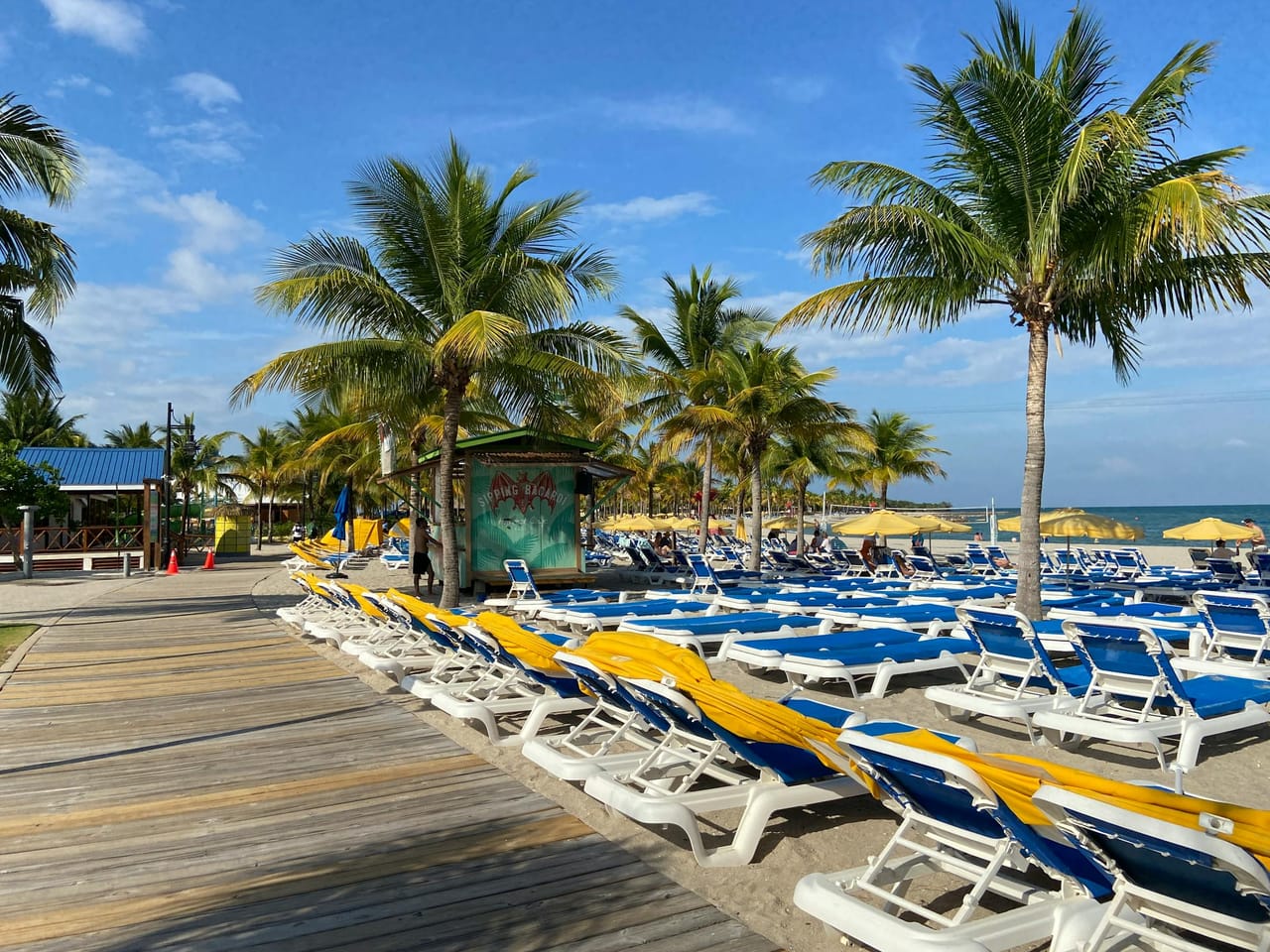
Ambergris Caye, including San Pedro, and the Placencia peninsula offer different versions of coastal living.
For San Pedro, consider how close you want to be to restaurants, services, and marine excursions. Compare properties by practical access as well as their water views. A home that feels convenient during a short visit may feel different during a stay of several months.
Placencia may appeal if you prefer a peninsula setting and a quieter pace. Check the distance to everyday services, transport connections, and the amenities you would use regularly.
The Belize Barrier Reef Reserve System is a UNESCO World Heritage Site and a major part of the country’s appeal. Access to marine activities gives buyers a concrete reason to consider coastal locations. It does not establish the occupancy or profitability of any individual rental. UNESCO describes the protected reef system.
If rental income is part of your plan, request full-year results for comparable properties. Include low-season demand, management fees, repairs, insurance, and your own use of the home when evaluating projected income.
What the Qualified Retirement Program offers
Belize’s Qualified Retirement Program, or QRP, can be relevant well before conventional retirement age. The Belize Tourism Board currently lists eligibility from age 40, with qualifying retirement income from outside Belize of at least US$2,000 a month or US$24,000 annually.
Applicants must meet the program’s other conditions, including security clearance, an undertaking to deposit the required funds in Belize, and at least 30 consecutive days in the country each year. Approved participants receive a QRP resident card that requires annual renewal. The program also offers specified tax and import benefits. The Tourism Board publishes the current requirements.
QRP status is separate from ordinary permanent residence. Buying a property does not by itself confer either status. Confirm which route fits your plans before making residency part of the purchase decision.
Plan for the realities of coastal ownership
A smaller pool of potential buyers can make resale less predictable. Look at completed transactions in the particular development and plan to hold the property without depending on a quick sale.
Investigate utilities, access, drainage, and construction quality at the site. For coastal property, review storm protection and obtain an insurance quote that makes coverage, exclusions, and deductibles clear. Those costs affect the ownership experience as much as the purchase price.
Belize deserves consideration if its language, ownership framework, and lifestyle suit how you want to live. A carefully chosen property can then be evaluated on its own costs and potential income.
Dream Second Home (DSH) connects international buyers with vetted developers. Tell us what you are looking for in Belize to explore an introduction that fits your budget and plans.
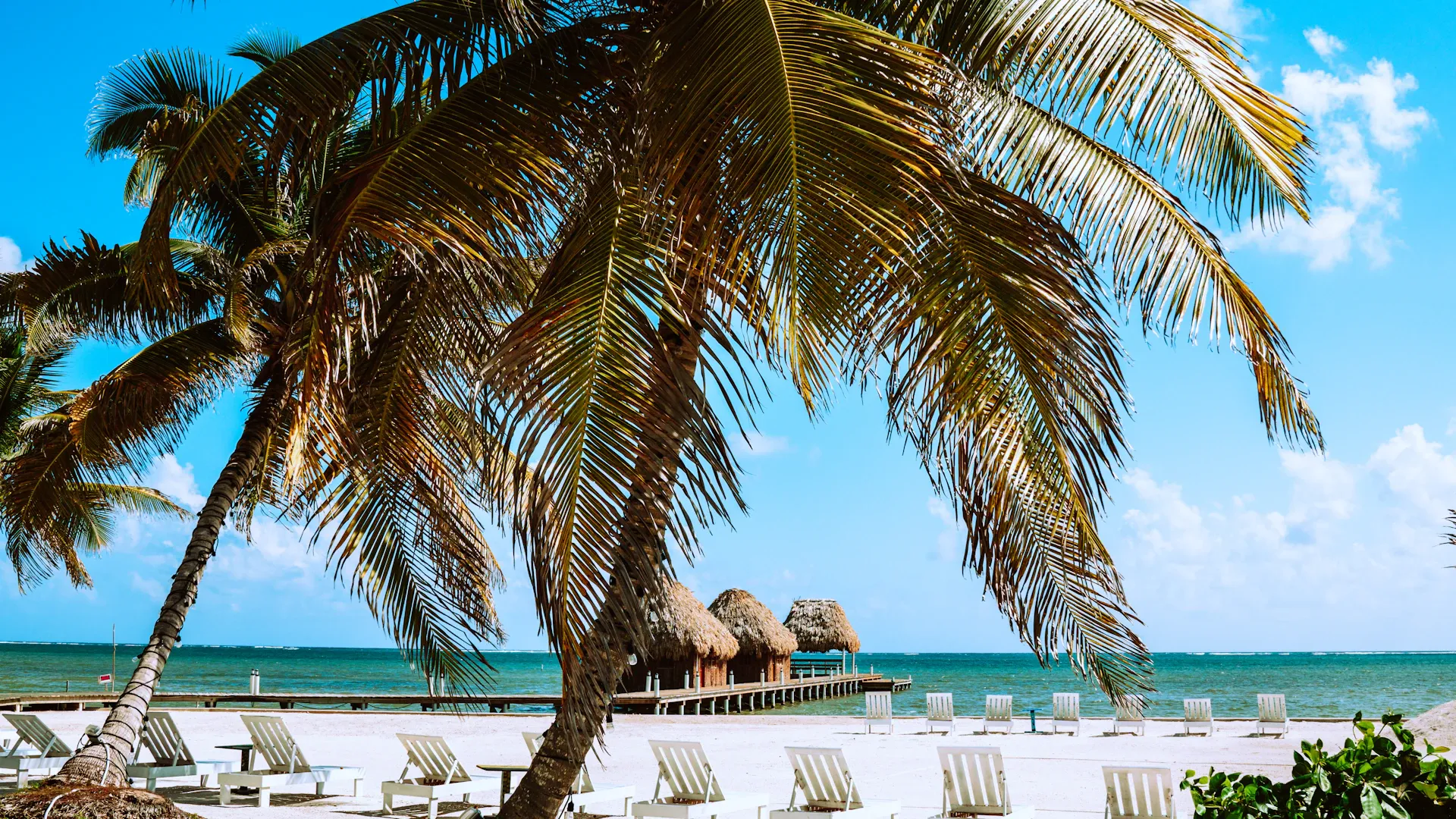
Cover photo by Meritt Thomas on Unsplash.