

Cebu real estate offers the Philippines' best risk-adjusted condo market. IT Park yields of 5-7%, BRT transit launched 2026, and 20-40% lower pricing than Manila CBD with stronger rental returns.
Pre-construction and near-delivery properties from developers who have passed our vetting standard.
Avg. price per sqm (IT Park area)
Gross rental yield (up to 8-10%)
Annual price appreciation (2025)
Infrastructure investment, Cebu+Bohol
BRT partial operations launched
Cebu is the Philippines' second city and, by our assessment, the strongest risk-adjusted Cebu real estate market for foreign condo buyers. At PHP 130,000-230,000/sqm ($2,240-$3,965), prices run 20-40% below Makati or BGC. The economy is genuinely diversified: IT/BPO (Cebu IT Park, Cebu Business Park), manufacturing, tourism, shipping/logistics, and education. Mactan-Cebu International Airport offers direct flights to Tokyo, Seoul, Hong Kong, and Singapore. This is not a one-sector market.
Cebu is in the middle of a major infrastructure cycle. The BRT (Bus Rapid Transit) launched partial operations in March 2026, connecting SRP to IT Park along a 13 km corridor serving up to 60,000 daily passengers. The CCLEX third bridge to Mactan Island is already operational. PHP 480 billion in flagship infrastructure projects are allocated for Cebu and Bohol, including a planned fourth bridge and a metro rail study. Properties within walking distance of BRT stations should see above-average appreciation.
Cebu IT Park delivers the strongest rental yields in the Philippines for condo investors. A furnished 1BR (30-40 sqm) purchased at PHP 4-7 million ($69K-$121K) rents for PHP 20,000-35,000/month, producing 5-7% gross. Premium furnished units with strong management reach 8-10%. BPO workers on 6-12 month contracts are the primary tenant pool. Property management firms catering to foreign owners charge 8-12% of monthly rental income, and English proficiency across the ecosystem is high.
The main risk is supply. Approximately 5,000 new condo units enter the market annually, with total stock projected at 93,100 by 2026. BPO-driven demand has historically absorbed this supply well, but a slowdown in BPO growth or a shift to secondary cities (Iloilo, Davao) would pressure occupancy. Typhoon exposure is real: Typhoon Odette devastated Cebu in December 2021. Buildings held up well, but disruption lasted weeks. For investors seeking balanced yield, growth, and lifestyle access at a moderate entry point, Cebu is where the data points converge most favorably.
International buying has a few moving parts in every market. Here is what to consider in Philippines Real Estate, and the standard every developer clears before we list them.
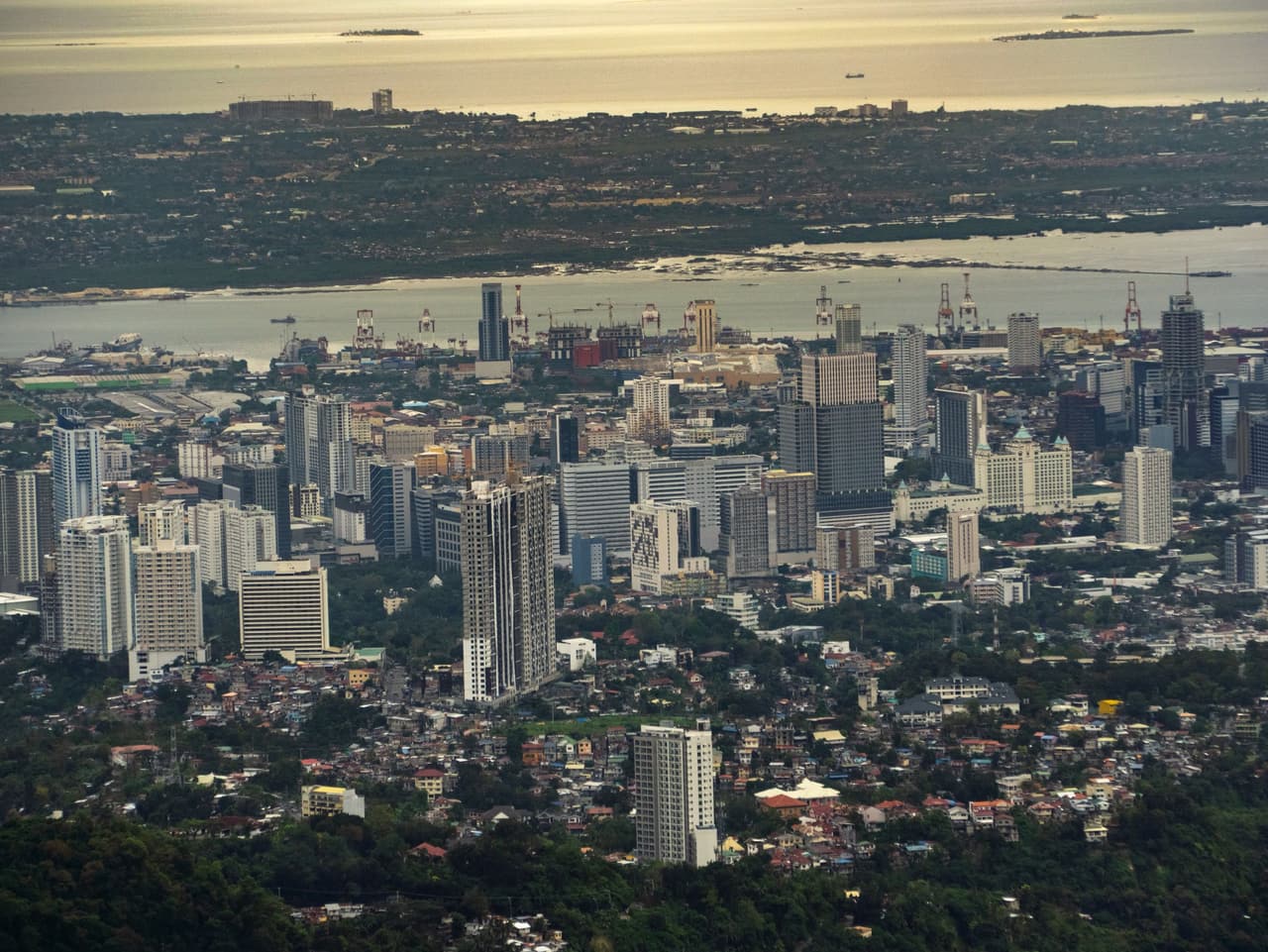
Major investment is transforming Cebu Real Estate into a destination with the infrastructure to match its potential.

Cebu Real Estate attracts a global community drawn to quality of life, natural beauty, and the opportunity to live differently.
Not every market fits every investor. These profiles are where Cebu Real Estate has the strongest alignment between market fundamentals and investor goals.
Phase 1 pricing advantages, rapid appreciation during build, high post-delivery yields.
Explore strategy →Personal use combined with short-term rental income. Curated beachfront and resort developments.
Explore strategy →Hard assets in non-correlated emerging markets. Inflation hedge and currency diversification.
Explore strategy →Talk to our team about vetted opportunities in Cebu Real Estate.